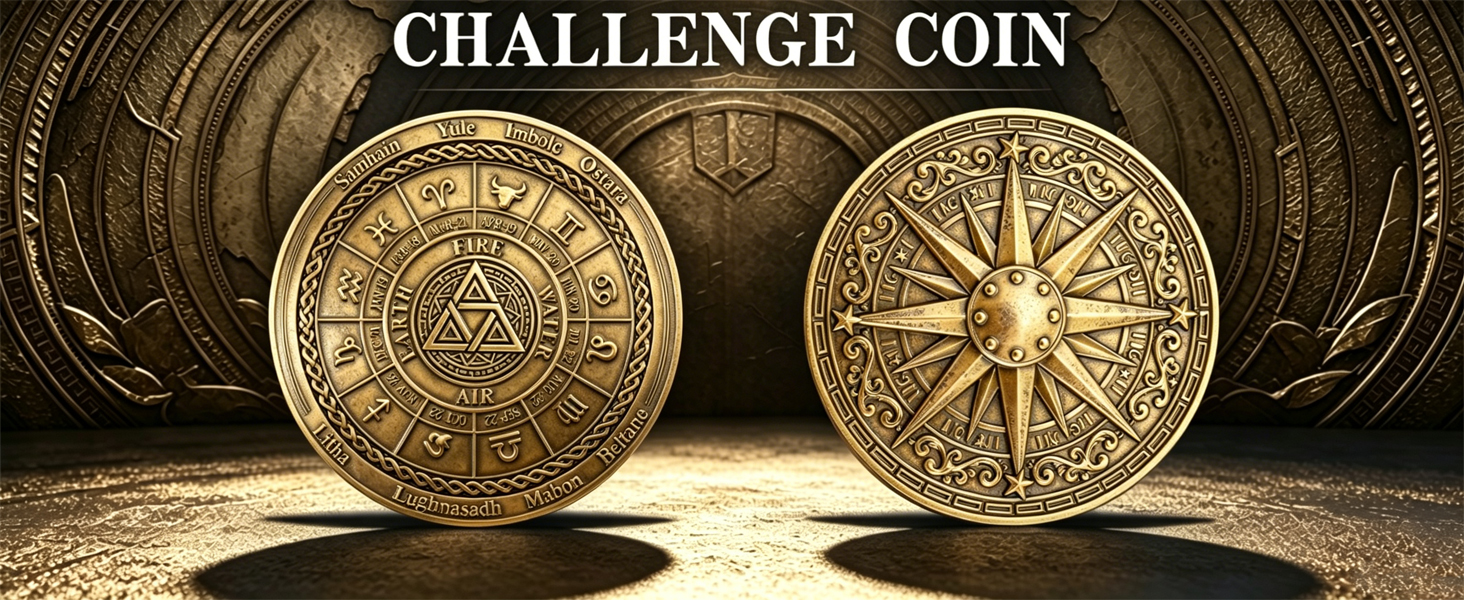
Collectible Coins, Challenge Coins, and Sobriety Coins: Small Medals with Big Stories
Coins are rarely just coins. A coin can be a piece of history, a private token of belonging, or a daily reminder of a promise kept. Collectible coins, challenge coins, and sobriety coins may all be round pieces of metal, but they live in different emotional and cultural territories. One speaks to the collector’s eye for rarity and detail. Another speaks to loyalty, service, and shared identity. The third speaks to courage, recovery, and personal milestones. Together, they show how small objects can carry enormous meaning.
The Quiet Pull of Collectible Coins
Collectible coins—often called numismatic coins—reward patience. The appeal begins with something simple: a date, a mint mark, a portrait, or a design that catches the light in an unusual way. Yet the deeper attraction is the story behind the surface. A worn silver dollar may have passed through countless hands. A commemorative coin may mark an event that shaped a nation. A carefully preserved proof coin may look almost untouched, as if it has been waiting for the right pair of eyes.
Collectors usually gravitate toward one or more of the following:
- Historical value: Coins connected to eras, leaders, wars, or cultural shifts.
- Rarity: Low mintage numbers, minting errors, and key dates.
- Condition: Grading, surface quality, and original luster.
- Design: Artistic portraits, symbols, and engraving details.
The best collections are not always the most expensive. They are the most personal. A collector may focus on a single country, a favorite metal, a theme such as ships or animals, or a period of history that fascinates them. The discipline of collecting teaches research, patience, and careful observation—skills that apply far beyond a coin album.
Challenge Coins: Identity You Can Carry
Challenge coins occupy a different space. They are less about market value and more about membership. Associated strongly with military units, police and fire departments, teams, and organizations, a challenge coin is often given as a token of recognition. It may honor service, mark a mission, celebrate a graduation, or quietly say: you were there, and you belong.
Part of the challenge coin’s charm is its ritual. In some circles, carrying a challenge coin is expected. If someone challenges you and you cannot produce yours, tradition may call for you to buy a round of drinks—or endure a good-natured ribbing. The coin becomes a conversation starter, a handshake in metal form, and a small piece of shared memory.
A challenge coin is not simply collected; it is earned, exchanged, and remembered.
Designs vary wildly. Unit crests, mottoes, flags, silhouettes, and custom shapes all appear. Some are enameled and colorful; others are subdued and understated. For collectors, challenge coins open a window into stories that rarely make headlines: the quiet pride of a maintenance crew, the bond of a training class, or the gratitude of a community.
Sobriety Coins: Milestones in Metal
Sobriety coins—sometimes called recovery coins or AA coins—are among the most personal objects in this trio. They are typically given to mark periods of sobriety, from one day to one year and beyond. The coin itself is simple, but its meaning is not. It can represent a difficult morning survived, a relationship rebuilt, a promise renewed, or a new identity taking shape.
Many sobriety coins carry familiar phrases and symbols: “To Thine Own Self Be True,” the Serenity Prayer, unity, service, and recovery. Some people carry a coin in a pocket and touch it during moments of stress. Others keep one on a desk, in a wallet, or beside a bed. The coin becomes a tactile reminder that progress is real, even when it is invisible to everyone else.
Why the Physical Object Matters
A sobriety coin is not magic, and it is not a substitute for support, treatment, or community. But physical objects can anchor abstract commitments. A coin has weight. It catches the light. It grows warm in the hand. In moments of doubt, that small ritual—reaching for it, holding it, reading its message—can create a pause. And sometimes a pause is exactly what a person needs.
Where the Three Worlds Overlap
Collectors, challenge coin enthusiasts, and recovery communities all understand one thing: meaning is assigned by people, not by metal. A coin may be valuable because of its grade, its history, its unit, or its message. These categories can also overlap. A collector might display challenge coins alongside vintage coins. A recovery coin might be kept in a shadow box with a family challenge coin. A custom coin might be made to honor a sobriety milestone, combining personal symbolism with the challenge coin tradition.
What unites them is memory. Coins survive pockets, drawers, moves, and years. They are small enough to lose and sturdy enough to keep. They ask for very little space, yet they can hold a surprising amount of life.
Building a Thoughtful Collection
Whether you are drawn to rare dates, unit crests, or recovery milestones, a thoughtful collection starts with intention. Ask yourself what you want to remember. Are you preserving history? Celebrating service? Marking personal growth? The answer will shape what you seek and how you display it.
- Choose a focus. A narrow theme often creates a stronger collection than scattered purchases.
- Learn before you buy. Research mintages, markings, and common counterfeits.
- Store carefully. Use archival holders and avoid harsh cleaning.
- Record the story. Note where each coin came from and why it matters.
- Display with respect. A simple case, tray, or album can turn objects into a meaningful narrative.
In the end, coins are small, but they are not minor. A collectible coin can preserve history. A challenge coin can carry belonging. A sobriety coin can hold hope. Placed side by side, they remind us that value is not only measured in currency—it is measured in memory, meaning, and the stories we choose to keep close.